Home/Cost guide/Tub-to-shower conversion

Tub-to-shower conversion planning

Tub-to-shower conversion cost in 2026

A tub-to-shower conversion replaces one existing tub with a shower in a substantially similar location. It is not the same as a full bathroom remodel.

Quick answer

A tub-to-shower conversion has a current national planning range of $1,500 to $8,000. The midpoint is $3,500. These figures exclude demolition and disposal, which should be shown once as a separate line item when needed.

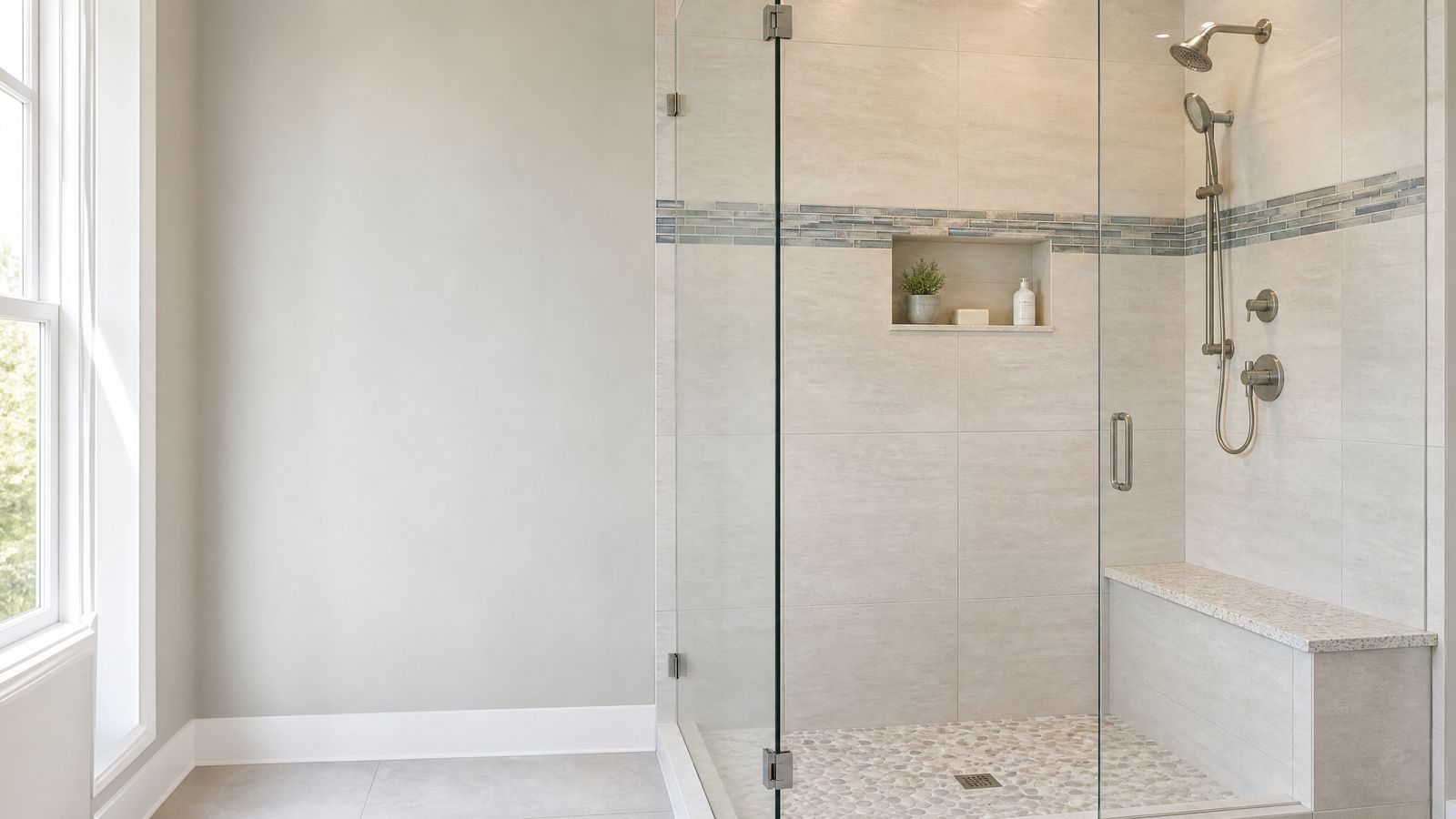
Tub-to-shower conversion planning example with neutral contemporary finishes
Example design direction only; actual scope and materials affect a local estimate.

National tub-to-shower conversion planning range

Approved national planning range before state adjustment
Planning pointPer-project amount
Lower planning range$1,500
Typical midpoint$3,500
Upper planning range$8,000
Demolition and disposal, when needed$300–$3,500

The state adjustment is calculated from the 2024 BEA all-items Regional Price Parities input. Use the state cost guide for a location-specific planning range, then request quotes with the same written scope.

Get a free project-specific quote →
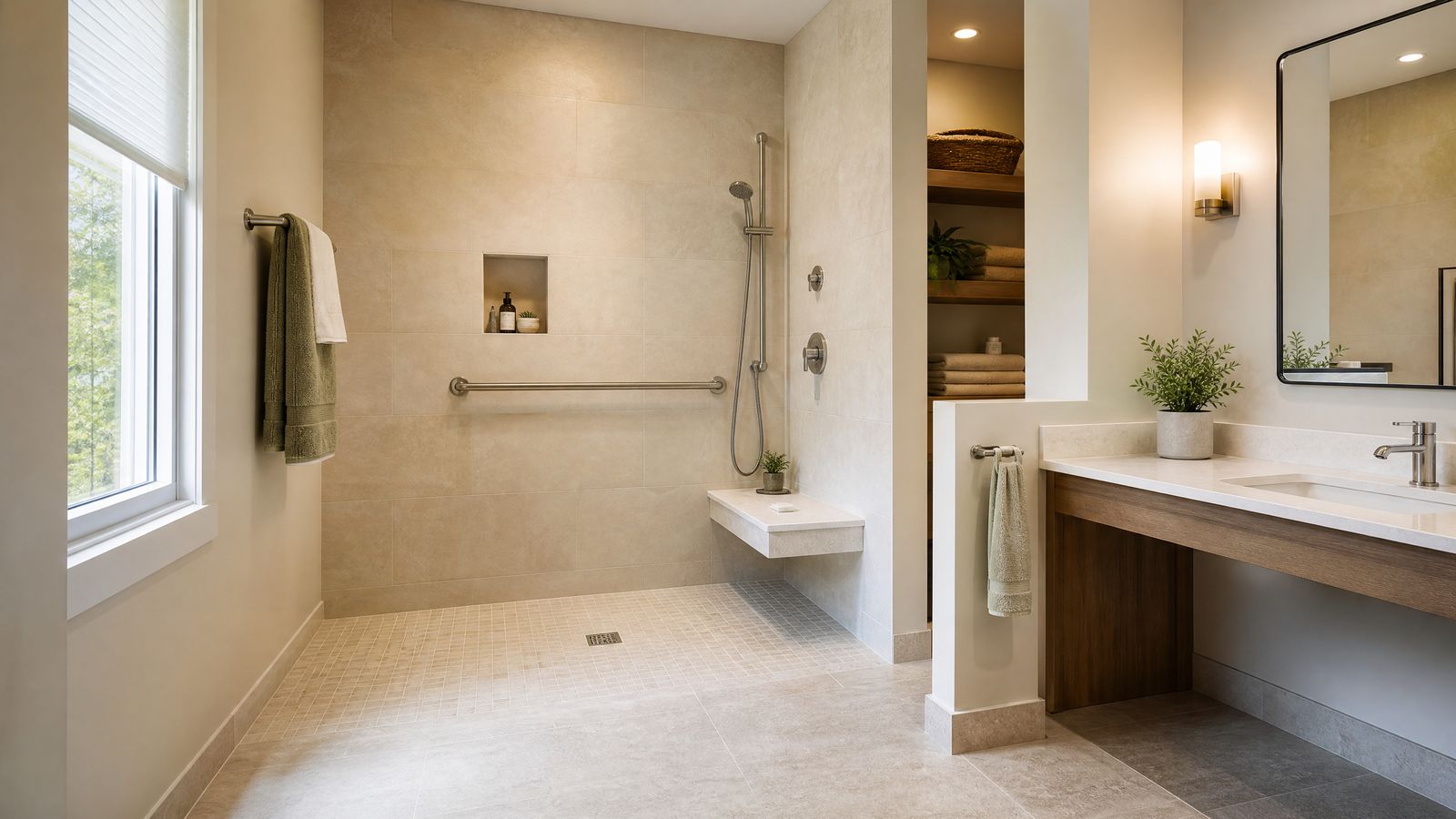
Bathroom planning detail relevant to tub-to-shower conversion scope
Selections and existing conditions can change a project’s final scope.

What drives the price?

  • Tub removal and whether disposal is included
  • Existing plumbing and drain location
  • Shower pan, surround, tile, and glass-door choices
  • Wall repair, waterproofing, and hidden moisture conditions
  • Entry height, seating, and accessibility requirements
  • State-level planning adjustment

Know the scope boundary

Converts one existing tub into one shower in substantially the same footprint. It excludes demolition/disposal, a separately priced curbless or barrier-free upgrade, a new bathroom layout, and unrelated full-bath remodel work. The right baseline is the narrowest project that accurately describes the work. Do not combine two base project categories for one bathroom.

Related bathroom cost guides

Sources and methodology

National figures are planning ranges drawn from the approved master rate card. State pages use the 2024 BEA all-items Regional Price Parities input. A local estimate may differ because of specific site conditions, scope, material selection, permits, and contractor availability.

Scope comparison worksheet

Compare conversion estimates on the same written scope

A lower number can describe less work, not necessarily a lower-quality project. Before comparing two tub-to-shower conversion estimates, ask each contractor to state the existing conditions they observed, the materials they will install, and the items they are excluding. This keeps a planning range useful without treating it like a site-specific bid.

Questions that make a tub-to-shower conversion scope comparable
Scope itemWhat to confirm in writing
Existing tub removalWho disconnects, removes, hauls, and disposes of the tub and related materials.
Shower base and waterproofingThe pan or base, wall system, waterproofing approach, and the boundary of any wall repair.
Drain and supply workWhether the work stays in the current footprint and what happens if existing connections need repair.
Enclosure and finish selectionsSurround or tile, glass or curtain approach, fixtures, trim, storage, seating, and access features.
Conditions found after removalHow moisture damage, subfloor issues, framing repair, or code-required work would be documented and approved.
Completion termsStart assumptions, site protection, cleanup, warranty documents, and final walk-through expectations.

Use the ZIP-adjusted conversion calculator →

Know when you need a different project baseline

A tub-to-shower conversion is intentionally narrow: one existing tub becomes one shower in a substantially similar location. A bathroom addition, a full bathroom remodel, a curbless accessibility upgrade, or major plumbing relocation can involve a different scope. Start with the narrowest cost guide that describes the work, then ask a local professional to define any broader work separately.

Questions to ask before signing a conversion contract

Ask who will be responsible for documenting pre-existing conditions, which materials are included by brand or specification, how change orders are handled, and whether removal and disposal appear once as a separate line item. Ask for a written explanation if an estimate uses a different project definition than the one you requested. Those answers are more useful than comparing a headline number by itself.

Common questions

Questions to ask before you request a quote.

What is the national tub-to-shower conversion range?

The approved national planning range is $1,500 to $8,000 before the state adjustment and any separately priced demolition or disposal. A local estimate depends on the exact scope and site review.

Does the range include demolition and disposal?

No. The national baseline excludes demolition and disposal so the same work is not counted twice. A quote should state whether removal, hauling, and disposal are included.

Why can two estimates differ for the same project?

Scope definitions, finish selections, plumbing or electrical changes, waterproofing, access, condition findings, and local market conditions can produce different estimates.

How should I compare quotes?

Compare the written scope, materials, exclusions, timing, warranty terms, and handling of demolition or unforeseen conditions—not just the first number.

Ready to compare a clear written scope?

Start a free quote request →